Solstice has traditionally been a pagan practice, however, the vast majority of our Christmas traditions originate from Solstice celebrations (like the norse season of Yule). The date of Christmas was selected in order to “Christian-ize” the revelry that was already going on, and to reach for a deeper truth that the pagan festivals were catching genuine glimpses of. These original practices were very nature-focused. They worshiped the wisdom that creation showed, and used this time to sit very closely with nature and receive from it. The problem was, without the context of our Savior, and the recognition that Creation’s wisdom all points to its Creator, these original practices would fall short of the truth that was offered during this time. Some Christians really struggle with the traditions of Christmas, fearing that they would detract from the “true meaning”, and from our focus on Christ’s birth. My belief is that we, with the knowledge of Christ and the spirit of God, have the ultimate puzzle piece to the truths that were glimpsed incompletely in those ancient solstice practices. Why not “redeem” them and be bold enough to quiet our busy brains and hear the ancient voice of Creation, proclaiming God’s truths to the world from the beginning!
The word “Solstice” is from the Latin phrase, “sol stetit” meaning “Sun Stands Still”. It is the moment of pause in the endless cycle, like the breathless lingering of a swing at the crest of its pendulum. Winter Solstice is where the sun is at its minimum declination, so its pause is a contemplative moment in cold and darkness. It has traditionally been a time of acknowledging pain, struggle, fear, loneliness and loss. However, this season is far from hopeless. This moment where darkness is at its deepest and longest is also the moment where the light is most deeply celebrated! The inevitability of the return of the sun is cheered in the night, with hope and joy and victory.
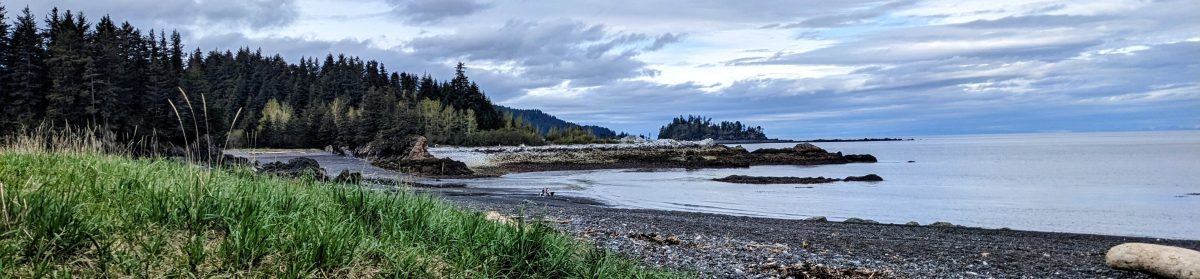
Living in Alaska, the rhythms of nature have always been both obvious and important to me. Creation stands tall and loud all around me, and it performs its duty well, of shouting its Maker’s praise and truths to us. God uses His amazing creation to speak intimately to me about Himself, and to echo the general revelation of His Gospel. This is particularly potent at Winter Solstice for me. I see many people struggle in the winter months, for lack of the sunlight. They talk eagerly, hungrily, about the scant minutes more that we will get each day past solstice. I see the messy tumult of despair, fear, isolation, darkness, upended into confidence, hope, victory and peace. There are anthems larger than us small creatures that have been singing the victory of the Cross since the Earth’s dawn, and I am filled with an urgent eagerness to join in.
Ways to Celebrate Solstice
Nature! Bring Outside Indoors
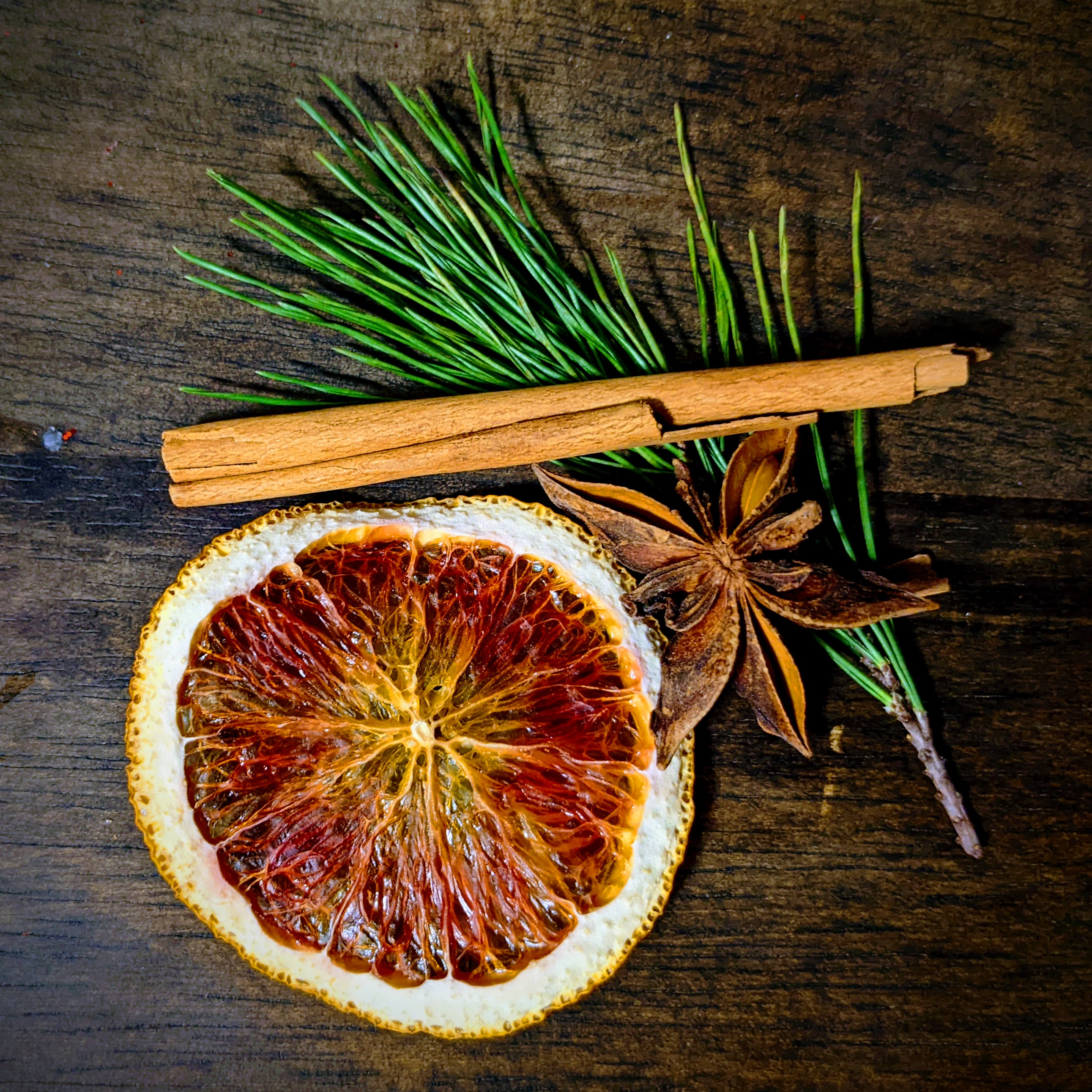
Traditionally, winter was a time when people were trapped indoors, to withstand the cold. Food had to be stretched until spring, and light/warmth was scarce. It was a time of survival, and felt very cut off from nature. Solstice was a time where that barrier was overcome by bringing as much of the outdoors inside as possible! A “Yule Tree” was set up inside, evergreen bows and garlands decorated everything, and bright berries, herbs, spices and branches were used everywhere, as people reached for a connection to creation at a time where it was preparing to shout amazing cosmic truths.
Today, we use a lot of artificial and store-bought decor, but for a solstice mindset, try to find as much “Nature” to use in your decor as possible. Keep things natural, foraged, and fresh. Sometimes artificial is still the most practical option, but aim for that “outdoors inside” feel, and enjoy that activity of creating some handmade decor as well, using natural materials.
An Outdoor Tree! Share provision with God’s Creatures
This is a fantastic activity to share with children! Use some crafting and family time leading up to Solstice to create natural and edible decorations (all biodegradable). Pick a tree outside and decorate it to make it a beautiful celebration of nature, but also, to share the celebration of the season with the wild animals. It is a way of practicing generosity and provision in the middle of hardship. It is a picture of what Jesus did for us, and the calling he has for us, to share what He has given us, and to fulfill the ancient calling of a caretaker of his creation.
Ideas for decorations:
- Popcorn garlands
- Cranberry garlands
- Dried citrus, hung with twine and decorated with evergreen/cinnamon/star anise
- Pinecones with peanut butter/corn syrup and rolled in birdseed
- Dried fruit
- Flowers
- Spice cookie ornaments
Feast: Celebrate promised bounty in the heart of Need
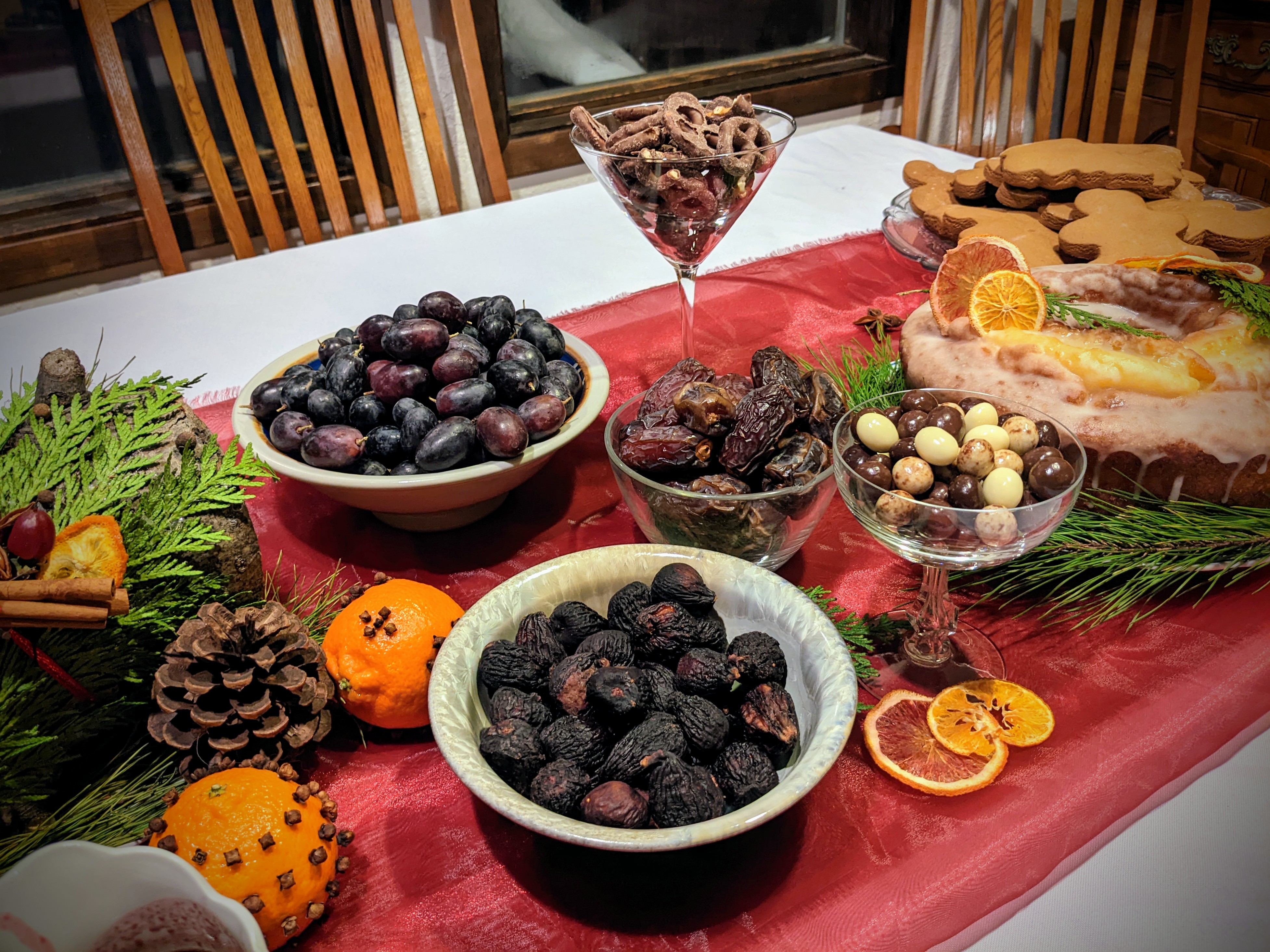
This time of year was the heart of winter, and depended on stores from summer, carefully measured out to get everyone through the harsh season. However, for Solstice,people have always celebrated the middle of the dark and cold with bounty. It is a bold proclamation of trust in the return of light and warmth.This is a great time of gathering, enjoying and sharing even in the middle of acknowledging the struggles that are being gone through. This setting is also a great time to talk through the heart intentions of the more ceremonial aspects of Solstice (the Spiral and the Yule Log).
For the feast, think “Narnia”. We are looking for medieval riches and wealth! What would be exotic and bountiful, but also available in the winter? Here are some ideas:
- Ham (central in norse ceremonies/celebrations)
- Nuts (roast chestnuts, candied pecans, etc.)
- Wassail/mulled wine/hot cider
- Egg nog
- Figs and dates
- Yule log cake or bunt pudding cake or fruitcake
- Sun wheel bread (braided in a circle)
- Baked brie
- Smoked salmon
- Cheese/cracker platter
- Poached pears in wine sauce with mascarpone
Solstice Spiral
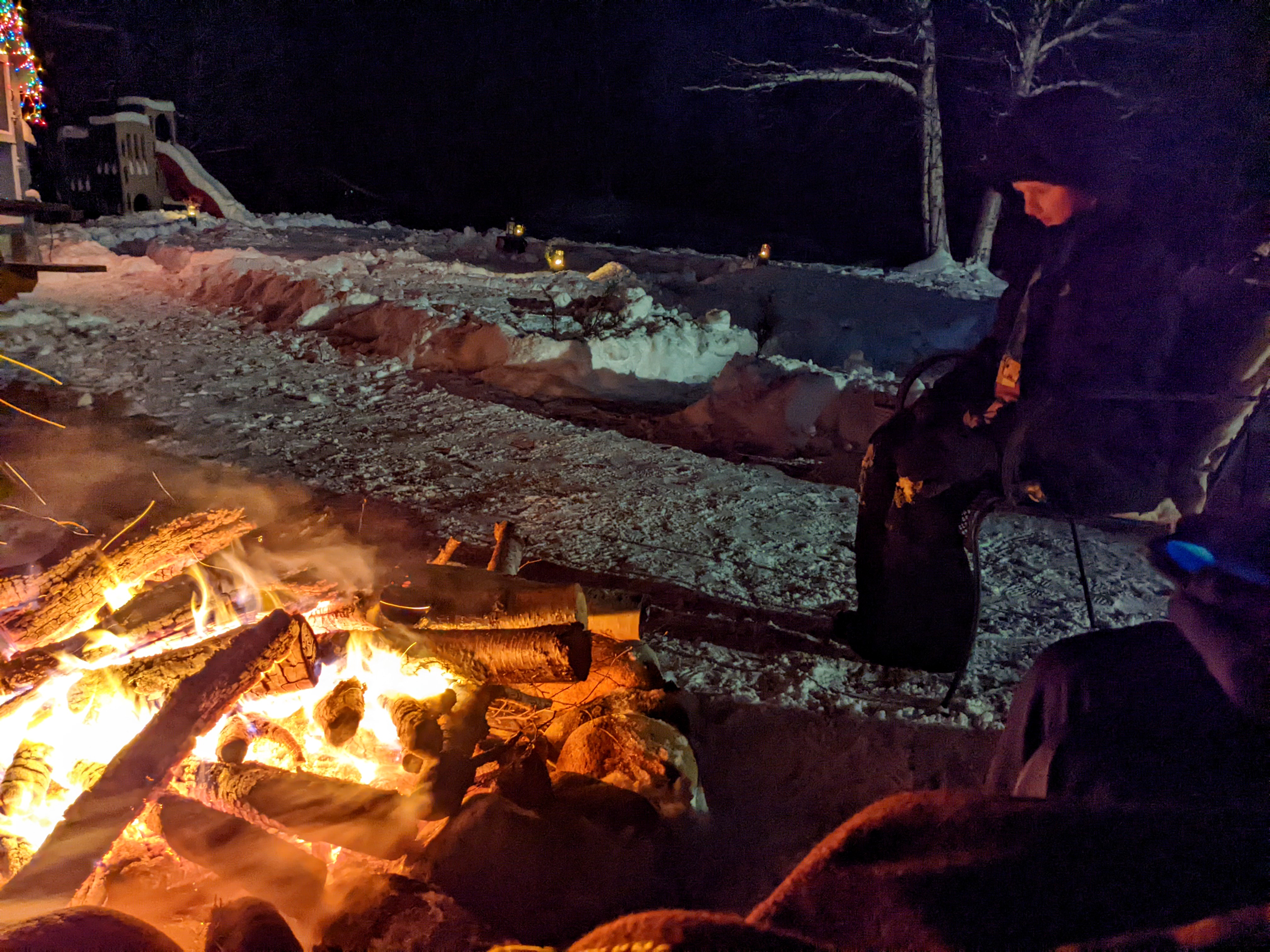
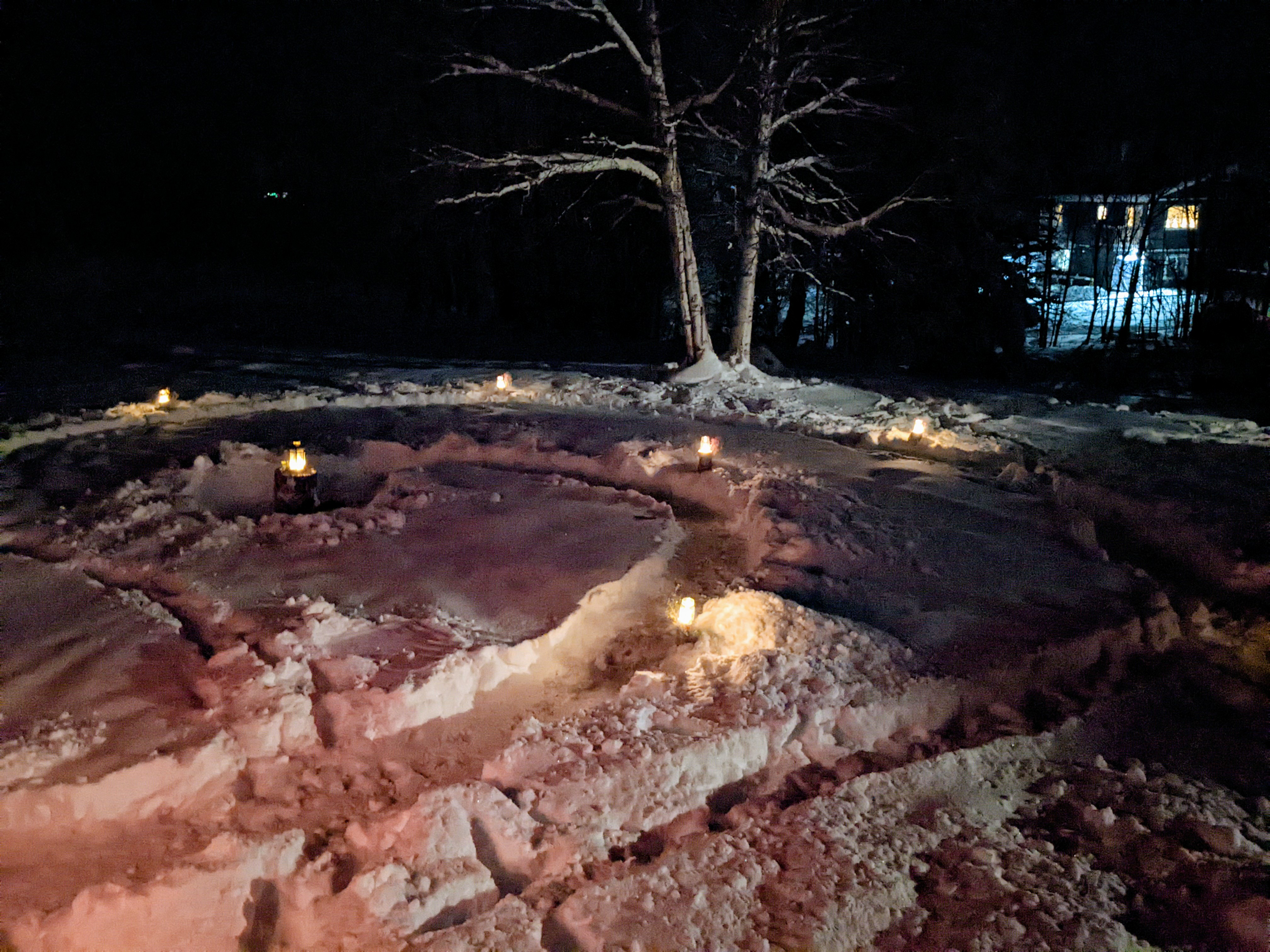
This can be done indoors, if you have enough room, but is so much more rich outside! A large spiral is created ahead of time (dug in the snow, outlined with evergreen branches, stones, etc.). Lanterns or candles are placed along the spiral, lighting the way, and a central light is placed on a stump in the very middle of the spiral. While fellowship/singing/gathering is done /(either inside or around a bonfire), people can go, one by one, to walk the spiral as a time of meditation. Inward Journey: Participants should carry in an unlit lantern. The process of walking inward is meant to be a physical act of retreating from the distracting “sources” around us, just like the time of darkness and cold does for nature. This is what trials can do for us in life. There are not easy external resources, so this is a time of noticing what is within yourself, and where your inner source comes from, and who is still with you when everything else has fallen away.
Center: Stop at that central light, and spend time in meditation and prayer. Focus on resting, no matter what the outer world looks like, in to love, provision, sufficiency and victory of the Holy Spirit, which is the light within you, and the Light of the world. Before moving on, light the lantern, representing your bringin that central light with you.
Optional: Carry in a stone or slip of paper that represents your struggles, losses, or burdens you are looking to lay down. Leave them in the center of the spiral, on the stump that holds that central light.
Optional: Have a bowl of papers at the central light, with encouraging scripture, reminding us of God’s victory, love and provision. Have participants pick out a verse to meditate on and carry with them out of the spiral.
Outward Journey: As the participant walks back out of the spiral, after spending time at the center, they are invited to reflect on the strength and joy that they carry with them (represented by the lit lantern), and the certaining of God’s love, presence, and victory over darkness. You can also tie in resolutions or intentions to this time.
Yule Log
Again, this could be done inside at a fireplace, but is better outside at a bonfire (surrounded by nature). The Yule Log symbolizes the bringin of light, warmth and protection, even on the darkest night. Originally, this was a whole tree that was brought into feasting halls. The end of it would be thrust into the great fireplace and slowly fed in as it burned. The feast would last for the length of the log burning (up to 12 days). A piece of the log was reserved and used to kindle next year’s yule fire. Yule logs are traditionally harvested from one’s own land, and decorated in evergreens, herbs, fruits, spices, incense and waxes. This can also be fashioned into an advent (or Yule) Candle holder and a centerpiece at the table, leading up to its burning. Some people practice attaching slips of bark or paper with wishes, prayers, commitments to future intentions or to releasing old habits/mindsets.
Gather by the fire and, with some prayer/singing/sharing, throw the Yule Log on the fire. Its burning reminds us of the returning of the light, and that the night cannot win, even in its strongest and longest hour. We celebrate the confidence of knowing the return of the Light, and that it is already done!
Scripture about Light and victory:
Matthew 4:16 the people living in darkness have seen a great light; on those living in the land of the shadow of death a light has dawned.”
Micah 7:8 Do not gloat over me, my enemy! Though I have fallen, I will rise. Though I sit in darkness, the LORD will be my light.
Psalm 18:28 You, LORD, keep my lamp burning; my God turns my darkness into light.
John 1:5 The light shines in the darkness, and the darkness has not overcome it.
John 8:12 When Jesus spoke again to the people, he said, “I am the light of the world. Whoever follows me will never walk in darkness, but will have the light of life.”
Psalm 27:1 The LORD is my light and my salvation— whom shall I fear? The LORD is the stronghold of my life— of whom shall I be afraid?
Psalm 139:12 even the darkness will not be dark to you; the night will shine like the day, for darkness is as light to you.
Luke 1:76-79 [Zecheriah’s prophesy at his son’s birth] And you, child, will be called the prophet of the Most High; for you will go before the Lord to prepare his ways, to give knowledge of salvation to his people in the forgiveness of their sins, because of the tender mercy of our God, whereby the sunrise shall visit us from on high to give light to those who sit in darkness and in the shadow of death, to guide our feet into the way of peace.
John 16:33 “I have told you these things, so that in me you may have peace. In this world you will have trouble. But take heart! I have overcome the world.”
1 John 5:4 for everyone born of God overcomes the world. This is the victory that has overcome the world, even our faith.
Thoughts on the Roles of Creation
Creation was designed for more than a backdrop to our image-bearing story. God created an amphitheater of responsive, beautiful, bafflingly complicated and glorious world, and it is not structured around us, but around Him. Scripture tells us over and over again that Nature, which we are surrounded with, has several jobs, and that it takes part in more spiritual things than we modern western Christians tend to think. Some of the roles that nature has are:
Nature worships its Creator
- Psalm 19:1 “To the choirmaster. A Psalm of David. The heavens declare the glory of God, and the sky above proclaims his handiwork.”
- Revelation 5:13 “And I heard every creature in heaven and on earth and under the earth and in the sea, and all that is in them, saying, “To him who sits on the throne and to the Lamb be blessing and honor and glory and might forever and ever!”
Nature witnesses the unfolding of God’s gospel for his Human children
- Job 12:7-10 “But ask the beasts, and they will teach you; the birds of the heavens, and they will tell you; or the bushes of the earth, and they will teach you; and the fish of the sea will declare to you. Who among all these does not know that the hand of the Lord has done this? In his hand is the life of every living thing and the breath of all mankind.”
- Romans 1:20 “For his invisible attributes, namely, his eternal power and divine nature, have been clearly perceived, ever since the creation of the world, in the things that have been made. So they are without excuse.”
Nature directly teaches us more and more about the truth and nature of God.
- Isaiah 55:12 “For you shall go out in joy and be led forth in peace; the mountains and the hills before you shall break forth into singing, and all the trees of the field shall clap their hands.”
- Romans 8:19 “For the creation waits with eager longing for the revealing of the sons of God.”
What can we learn from Creation:
- General Revelation (Romans 1:20). Nature is one of the ways that God chooses to let the world know about his identity, sovereignty and goodness. We are told that just from observing creation, Man is without excuse for knowing about the invisible attributes of God.
- Creation is a megaphone for God’s truth (Job 12:7-10). I have deeply experienced this. My prayers, my time in the Word, my songs of worship; they have never been richer than when I am surrounded by nature. If creation is constantly teaching us the truths and identity of God, and if it worships the Creator with that understanding, than how much more will it validate and join in with out acts of prayer and praise as it witnesses to and with us? God uses creation to clarify His truth and his Nature to us.
 Moose Stew Mamma